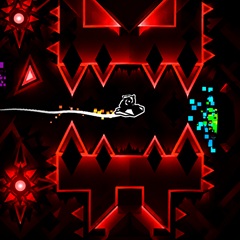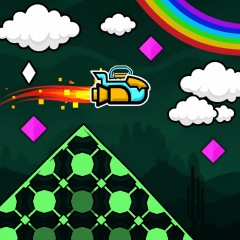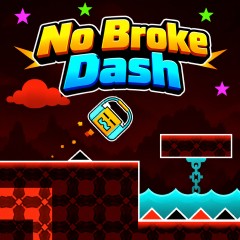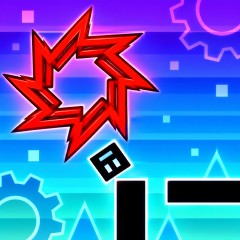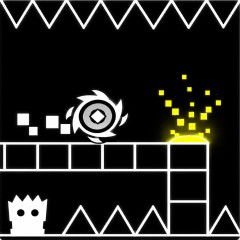
Geometry Dash Antecoder is an independently developed mod built on the Scratch platform, offering a distinctive take on the familiar rhythm platformer formula. Instead of relying on a gentle difficulty curve, the game quickly introduces demanding obstacle layouts that require precise timing, quick reactions, and repeated attempts. Players control a constantly moving geometric character, using well timed jumps to avoid sharp thorns, dangerous gaps, and unexpected traps along the route. What makes this experience particularly challenging is the relationship between its music and gameplay, as the soundtrack directly influences how players approach each section. The Antecoder theme also features original visual designs, changing mechanics, and different character appearances that give the adventure its own identity. With difficulty increasing as players progress, every attempt becomes an opportunity to memorize patterns, improve timing, and overcome sections that initially seem almost impossible.
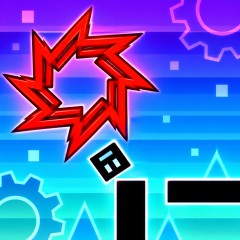
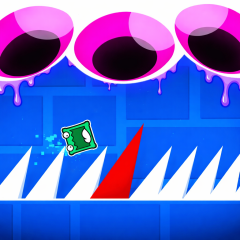
Screenshot Geometry Dash Antecoder
The controls are simple to learn, allowing players to focus on obstacle recognition and jump accuracy rather than complicated combinations.
Jump: Press SPACE or click the left mouse button to make the character jump over thorns, gaps, and other hazards.
Touchscreen Input: Tap the screen to jump when playing on a mobile phone or tablet.
Automatic Player Mode: Activate the Auto Player option when you need assistance with difficult sections. This feature allows the game to handle movement automatically, giving you control when you want to take over.
The main objective is to time every jump correctly, avoid collisions, and make it through the challenging platform sections.
Thorns are among the first dangers players encounter in Geometry Dash Antecoder. These sharp obstacles appear along the platform and can end a run immediately if the character touches them. Their placement demands careful attention because even a small mistake in jump timing can lead to failure. Some thorn arrangements become particularly difficult when players must react to hazards appearing close together. The best approach is to observe their positions, recognize the distance between obstacles, and jump early enough to clear each dangerous section without landing directly on another spike.
Gaps create another major challenge by interrupting the otherwise continuous path. Unlike solid platforms, these empty spaces leave players with very little room for hesitation, making accurate jumps essential for survival. The early sections already introduce gaps that can catch inexperienced players off guard, especially when they are still adjusting to the character's movement. As the difficulty increases, remembering where these openings appear becomes increasingly important. Players should pay attention to the upcoming platform layout and learn the timing required to cross each gap safely rather than reacting at the last possible moment.
Beyond thorns and gaps, the game introduces unexpected traps and changing mechanics that make familiar sections harder to navigate. Its distinctive design and changing character elements add variety to the experience, while the increasing difficulty forces players to adjust their reactions instead of relying on one repeated jumping pattern. The music also plays an important role because its synchronization with gameplay influences how players approach different sections. Learning to recognize recurring patterns and adapting to changes in the level are essential for handling these unpredictable challenges.
Rather than trying to complete every section immediately, focus on remembering where the thorns, gaps, and sudden hazards appear. Replaying challenging portions helps you understand the spacing between obstacles and recognize the moments when a jump is necessary. This approach is particularly useful because the game starts at a demanding difficulty level without offering Easy or Medium options. Gradually building familiarity with the level makes your movements more consistent and reduces unnecessary mistakes.
Pressing the jump button too early or too late can cause an immediate collision, so developing a reliable sense of timing is essential. Pay attention to the distance between the character and each obstacle instead of jumping randomly whenever a hazard becomes visible. Try to maintain a steady rhythm while adjusting your input to match different platform arrangements. Once you understand how much space is needed to clear a thorn or gap, you can approach similar situations with greater confidence.
The soundtrack is closely connected to the gameplay, making musical patterns useful references when learning how different sections unfold. Listen carefully to the rhythm while observing the obstacles, as this can help you anticipate upcoming actions. If a particular section becomes too difficult, the Auto Player mode offers additional assistance and allows you to regain control when desired. Combining repeated practice with this feature can make difficult parts easier to understand without removing the challenge of mastering the game.
Geometry Dash Antecoder delivers a distinctive rhythm platforming experience through its original Scratch based design, demanding obstacle layouts, and music synchronized gameplay. Sharp thorns, unexpected gaps, and changing mechanics keep players alert from the beginning, while the steadily increasing difficulty rewards patience and accurate timing. Its lack of Easy and Medium difficulty options makes the experience especially demanding for newcomers, but repeated attempts provide a practical way to learn each section and improve performance. The addition of Auto Player mode also offers useful assistance when certain challenges become overwhelming. If you enjoy challenging arcade platformers that test your reflexes and concentration, Geometry Dash Antecoder is worth experiencing. From carefully timed jumps to increasingly demanding obstacles, Geometry Dash Antecoder shares the same appeal for precision focused players as Geometry Black Ball and Challenge Rush.